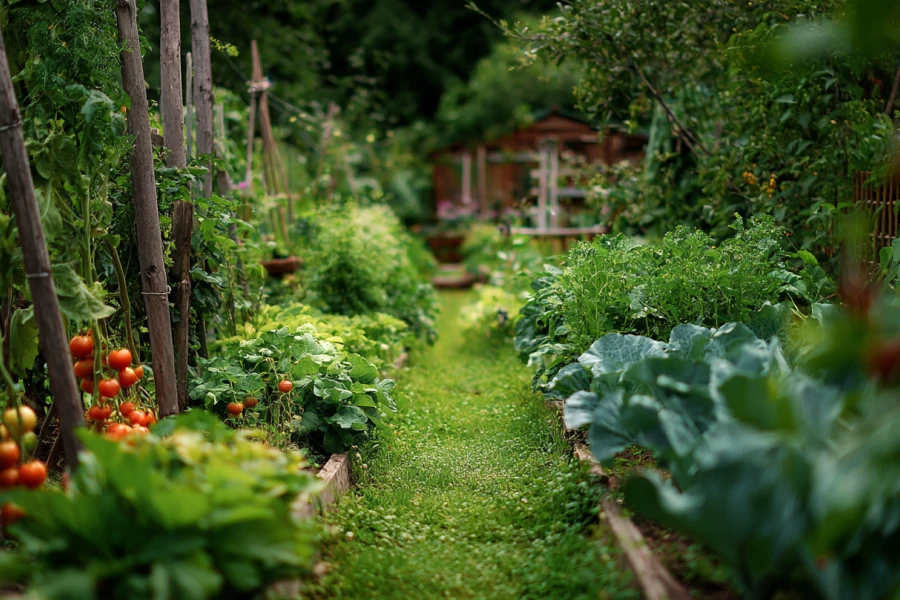
Vegetable Gardening for Beginners should feel practical, not intimidating. You do not need advanced tools, perfect weather, or a huge backyard to start. You need clear steps and realistic expectations. Begin with a few crops. Learn your sunlight. Prepare the soil. Water consistently. Watch how plants respond. Grow Smart: Your Home Vegetable Garden Guide helps make those steps easier to follow. The first season is about learning as much as harvesting. Every plant teaches you something. With a calm plan, your garden becomes less overwhelming and more enjoyable.
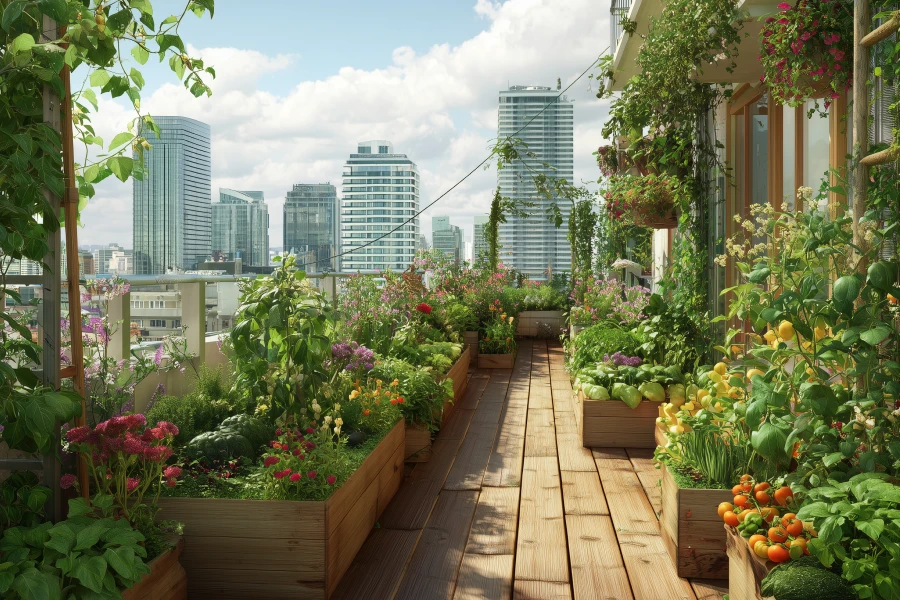
Starting small protects your motivation. A huge garden can become exhausting before you understand the basics. A compact home vegetable garden gives you room to learn without constant pressure. Choose three to five crops at first. Pick vegetables you already enjoy eating. Use small space gardening ideas if your patio, balcony, or yard feels limited. Small does not mean unproductive. It means focused. You can water, weed, and observe more easily. Early success builds trust in the process. That trust keeps you growing through the season.
Location shapes your garden before you plant anything. Most vegetables need several hours of direct sunlight. Some leafy crops tolerate partial shade. Wind, drainage, and access to water also matter. Use raised bed planning if the ground feels compacted or difficult. Containers may work better near doors, patios, or sunny balconies. A seasonal planting calendar helps you match crops with timing. Do not rush this stage. A better location reduces future problems. Grow Smart: Your Home Vegetable Garden Guide supports those early decisions.
Good soil gives beginners a major advantage. Plants with healthy roots handle weather changes better. They also grow more steadily. Follow a soil preparation guide before planting seeds or seedlings. Add compost to improve structure and nutrients. Avoid compacting beds by walking on them. Mulch after planting to protect moisture. Use composting for vegetables as a long-term habit. Soil does not become perfect overnight. It improves through steady care. Beginners often see better results when they focus on soil first. Strong plants begin below the surface.
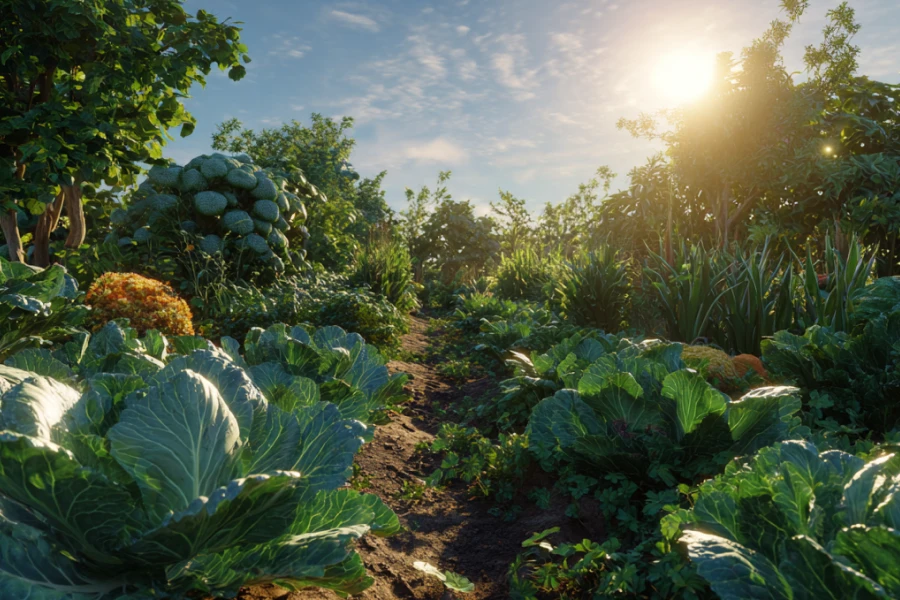
Daily care becomes easier when you know what to check. A simple watering schedule helps you stay consistent. Still, soil should guide your final decision. Feel below the surface before watering again. Watch leaves for drooping, yellowing, or unusual spots. Feed plants according to need, not impulse. Too much fertilizer can create problems. A weekly garden maintenance routine keeps care organized. Remove weeds early. Support tall plants before they lean. Observation teaches you what your garden needs next.
Pests are part of gardening, but they do not need to ruin the experience. The key is early awareness. Look under leaves every few days. Notice holes, eggs, weak growth, or sticky residue. Use organic pest control methods before small issues spread. Keep plants spaced well for airflow. Remove damaged leaves when needed. Healthy soil and steady watering also reduce stress. Stressed plants often attract more trouble. Do not panic when you find a pest. Respond calmly and consistently. Grow Smart: Your Home Vegetable Garden Guide helps beginners understand what matters most.
A useful garden should fit your kitchen. Grow vegetables and herbs you already enjoy. That makes care feel more rewarding. Use kitchen garden planning to choose crops for real meals. Basil, lettuce, peppers, tomatoes, parsley, and radishes can all support everyday cooking. Follow seed starting tips when you want better timing and stronger young plants. Do not grow something only because it sounds impressive. Your garden should serve your life. Practical choices reduce waste. They also make harvest time more satisfying. Fresh food feels better when it becomes part of your routine.
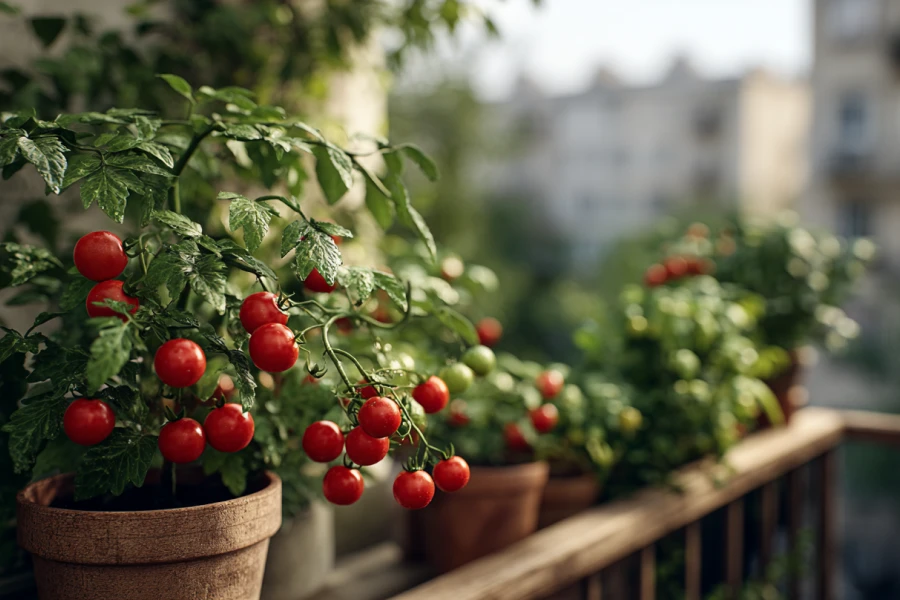
Gardening becomes easier because you learn your own space. Keep a basic harvest tracking system after your first planting. Write down what grew well. Note what struggled. Track watering changes, pests, weather, and harvest dates. These details help you improve next season. They also make success feel visible. Beginners often underestimate how much they learn in one year. Every mistake gives useful feedback. Every harvest builds confidence. With patience and practical support, your garden stops feeling like a mystery. It becomes a skill you can grow season after season.



Leave a comment