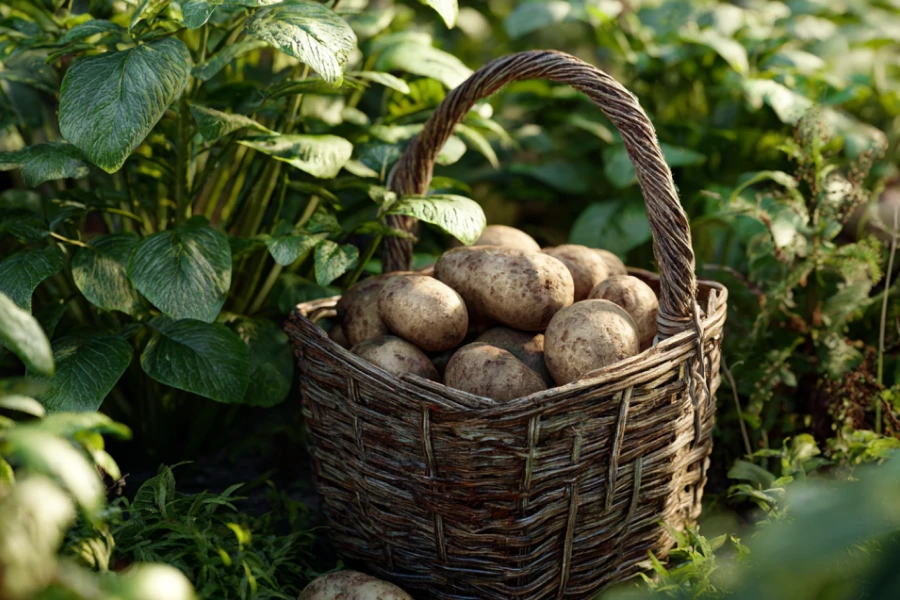
A Smart Gardening Guide helps you garden with intention instead of reacting to problems late. Home vegetable growing becomes easier when you know what to do each week. You can plan beds, choose crops, improve soil, and water with purpose. The process feels less messy because every task has a reason. Grow Smart: Your Home Vegetable Garden Guide supports that kind of organized care. It helps beginners and improving growers build habits that last. You stop treating gardening like guesswork. You begin managing it like a living system. That shift changes everything.
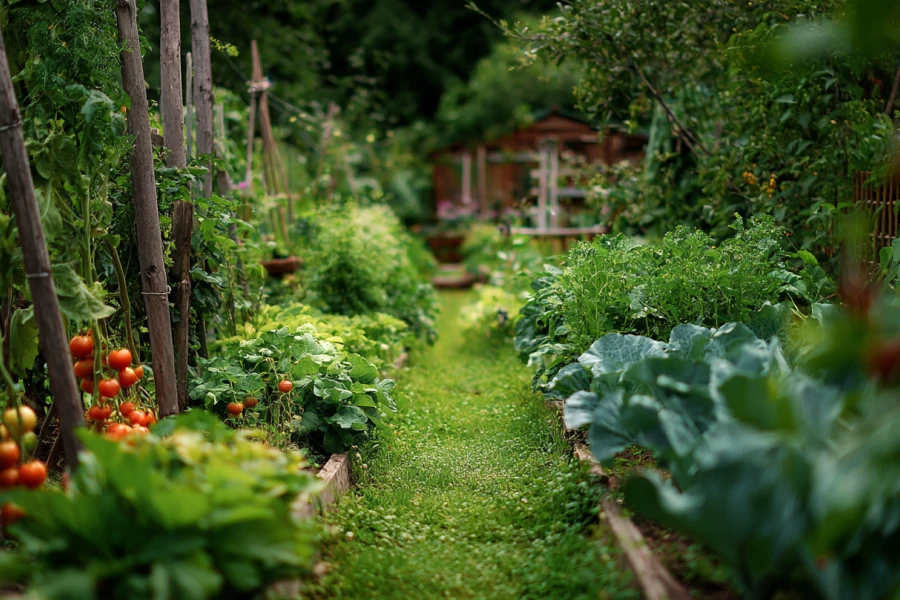
Smart gardening starts with observation. You study light before planting. You check soil before adding amendments. You water according to need, not habit. This mindset helps your home vegetable garden become more responsive and productive. A thoughtful plan also reduces waste. You buy fewer unnecessary supplies. You choose crops that fit your conditions. You understand why one area grows better than another. With raised bed planning, structure supports healthier roots and easier maintenance. Smart choices compound. Small improvements become visible through stronger plants and steadier harvests.
Planning before planting saves frustration later. Map your sunlight. Measure your growing space. List vegetables your household actually eats. Then match those choices with your season. A clear seasonal planting calendar helps you avoid planting at the wrong time. Use kitchen garden planning to prioritize useful crops over decorative impulse buys. Your plan should feel flexible, not rigid. Weather will change. Some seedlings may struggle. Still, a plan gives you direction. Grow Smart: Your Home Vegetable Garden Guide helps make that direction practical.
Soil strategy separates struggling gardens from productive ones. Before adding plants, understand what your soil needs. A practical soil preparation guide can help you improve texture, drainage, and nutrients. Compost adds organic matter slowly. Mulch protects moisture and reduces weeds. Avoid overwhelming soil with random products. More amendments do not always mean better results. Smart care means adding what your garden actually needs. Use composting for vegetables as an ongoing habit. Over time, better soil creates stronger plants. Stronger plants produce better harvests.
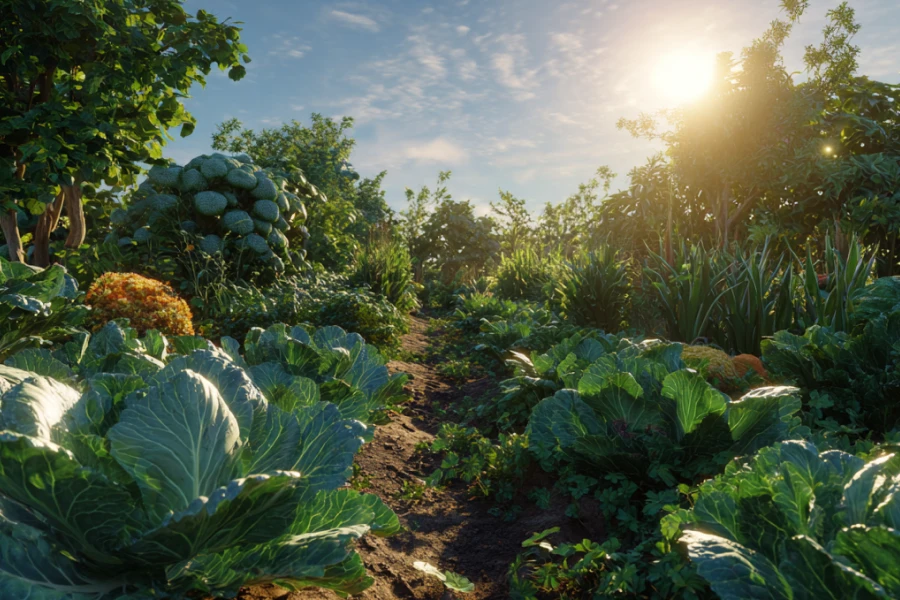
Watering should follow plant needs, soil conditions, and weather. It should not depend on panic. A reliable watering schedule helps you stay consistent while still observing the garden. Check moisture below the surface. Watch leaves during hot afternoons. Adjust container watering when temperatures rise. Add a garden maintenance routine for weeding, pruning, and pest checks. These tasks are small, but they protect the entire system. Purposeful care helps you spend less time fixing problems. Your garden receives attention before stress becomes obvious. That is the real advantage.
Pest control works best when you act early. Waiting too long can make simple problems harder to manage. Inspect leaves, stems, and soil regularly. Look for chewing, discoloration, sticky residue, or weak growth. Use organic pest control methods that protect the broader garden environment. Remove damaged leaves when needed. Encourage airflow through better spacing. Rotate crops when possible. Healthy soil and steady watering also reduce plant stress. Stressed plants attract more trouble. Smart prevention feels calm because you know what signs to watch. Your response becomes measured instead of rushed.
Limited space rewards careful planning. You cannot grow everything, so each plant needs a purpose. Use small space gardening techniques to make balconies, patios, and compact beds more productive. Choose vertical crops when possible. Plant fast greens between slower vegetables. Use containers for herbs near the kitchen. Apply seed starting tips so young plants are ready at the right time. Compact gardens still need structure. They may need more attention to moisture. However, they can produce impressive harvests. Grow Smart: Your Home Vegetable Garden Guide makes the process easier to organize.

Long-term success depends on learning from each season. Keep a simple harvest tracking system so your garden teaches you clearly. Record what grew well. Note what struggled. Track planting dates, weather patterns, pests, and harvest size. These notes make future decisions easier. They also help you avoid repeating mistakes. Smart gardening is not about perfection. It is about informed improvement. Every season gives you better instincts. With steady attention, your garden becomes more productive, personal, and enjoyable. That is how a simple home plot turns into a reliable source of fresh food.



Leave a comment