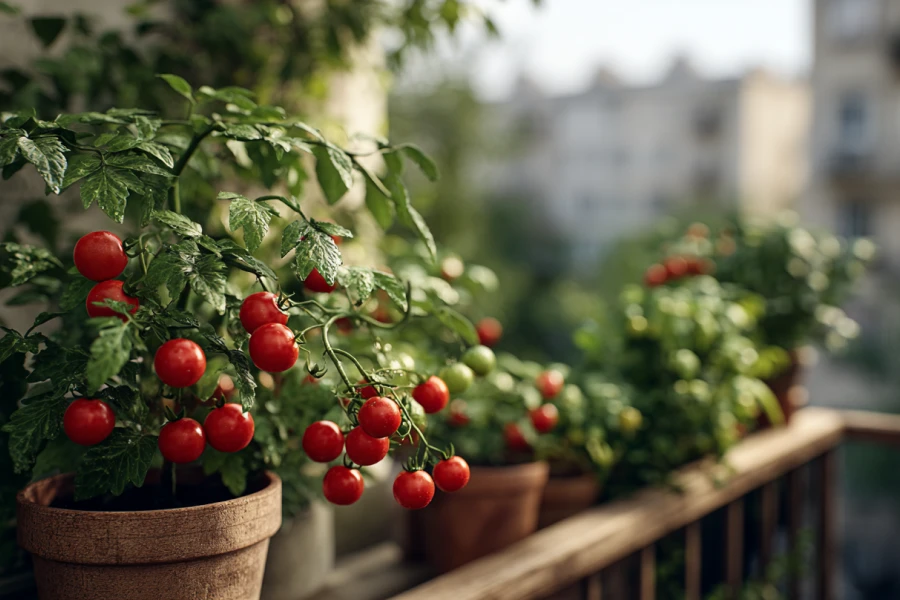
Beginner Vegetable Gardening feels exciting until the details start piling up. You need seeds, soil, sunlight, watering habits, containers, spacing, and pest awareness. That can feel like too much at once. A better approach starts small and builds confidence step by step. You choose a few easy crops. You prepare the soil before planting. You learn how your space behaves through the day. Grow Smart: Your Home Vegetable Garden Guide helps turn that learning curve into a simple plan. The goal is not a perfect garden. It is a garden you can actually care for. That makes your first season more rewarding.
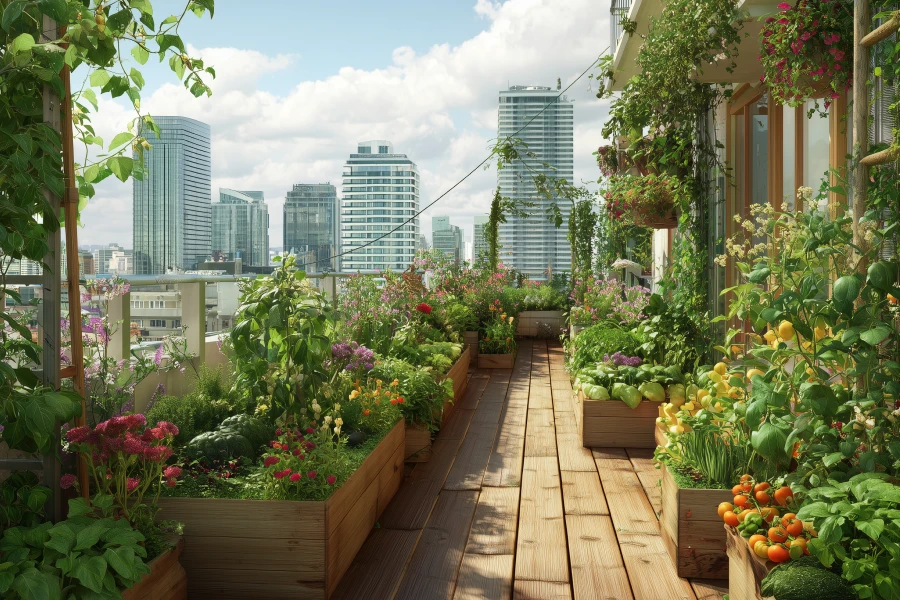
New growers often make the garden too complicated. They buy too many seeds. They plant crops with different needs. They forget how much time weekly care requires. Simplicity prevents that early frustration. Begin with a small home vegetable garden that fits your real schedule. Use raised bed planning if your yard soil feels difficult. Containers also work well when space is limited. Start with lettuce, herbs, beans, peppers, or radishes. These crops teach important lessons quickly. Small success builds momentum. A manageable garden keeps you interested long enough to improve.
Your crop list should reflect your cooking habits and available time. Do not grow vegetables just because they look impressive online. Choose foods you enjoy eating. Then check whether those plants match your season. A practical seasonal planting calendar can prevent wasted effort. Some crops prefer cool weather. Others need warmth and steady sunlight. Herbs can fill small gaps beautifully. Greens often give quick rewards. Tomatoes require more attention but deliver high satisfaction. Grow Smart: Your Home Vegetable Garden Guide helps you make those choices without guessing.
Soil is the foundation of every strong vegetable garden. Weak soil creates weak plants. Before planting, study texture, drainage, and organic matter. A useful soil preparation guide shows you what to improve first. Add compost when the soil feels tired or compacted. Use mulch to protect moisture and reduce weeds. Avoid working soil when it is soaked. That can damage structure. Good soil care does not need to feel complicated. It simply needs consistency. When roots grow well, leaves look stronger. Healthy plants also handle stress better.
Watering creates confusion for many beginners. Some plants wilt because they receive too little moisture. Others struggle because roots stay too wet. A simple watering schedule helps you watch conditions instead of guessing. Check soil before adding more water. Focus on deep watering rather than quick surface sprinkles. Morning watering usually supports healthier leaves. Containers may need attention more often than raised beds. Hot weather changes everything. Rain does not always reach roots deeply. Once you understand moisture patterns, daily care feels calmer. Your plants become easier to read.
Prevention saves more time than rescue work. Walk through your garden several times a week. Look under leaves. Remove weeds while they are small. Support climbing plants before stems bend. Use organic pest control methods early when pests first appear. Add composting for vegetables as a long-term soil habit. These actions do not take much time. They work because they happen consistently. A simple garden maintenance routine keeps small issues manageable. Gardening becomes less stressful when you notice changes early.
You do not need a huge backyard to grow useful food. A sunny balcony can support herbs, greens, and peppers. A narrow patio can hold containers. A side yard can become a compact productive zone. Smart small space gardening relies on crop selection, vertical support, and careful watering. Use kitchen garden planning to prioritize vegetables you use often. Track each harvest with a basic harvest tracking system. This helps you see which plants deserve space next season. Grow Smart: Your Home Vegetable Garden Guide turns small beginnings into steady results.
Your first season teaches more than any perfect plan can promise. Some seeds may fail. Some plants may surprise you. A few crops will become favorites. Keep notes instead of judging every mistake. Record planting dates, watering patterns, pests, and harvests. Those details become your personal garden wisdom. Next season, you will choose better crops. You will space plants more confidently. You will notice warning signs sooner. Beginner mistakes are not failures. They are information. With structure, patience, and practical guidance, your garden becomes easier every year.



Leave a comment